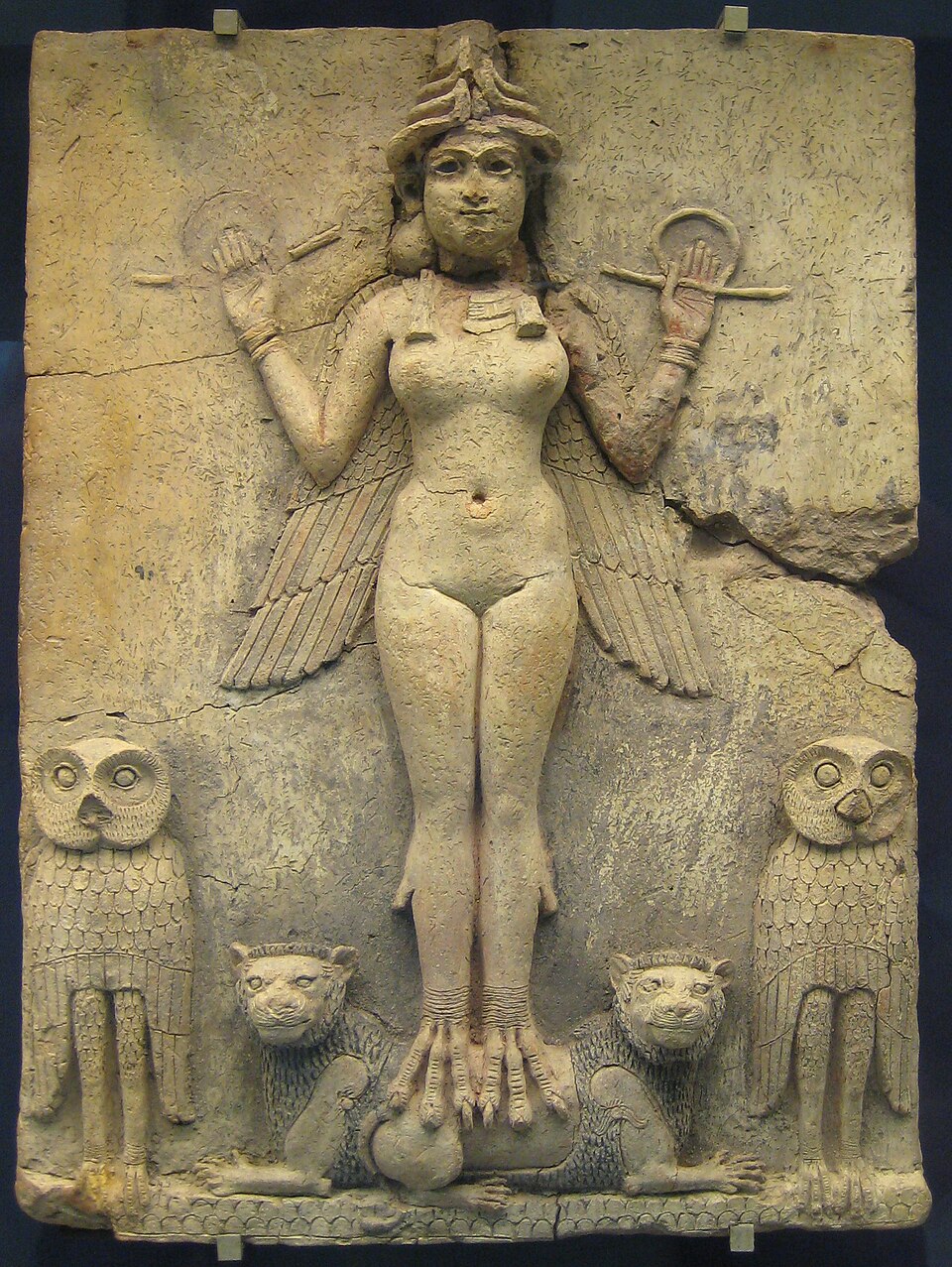
Kali's Power Ritual
Mother of Mothers, Queen of All Unmanifested Domains, Incarnated Shakti, the Overruling Power of the Universe
Learn more… Laguzx5
 Ingwazx5
 Dagazx5
It was known to mankind as "Lilith."
Hear us, O Mother of Mothers,
Wife of Lord Zeus, King of the Gods,
Queen of all Unmanifested Domains,
Incarnated Shakti and overruling Power of the Universe,
Limitless Mother of all the Worlds!
Take away the veil of LITHI (Greek term of forgetfulness) from our spiritual eyes,
Shine upon us the infinite wisdom,
For Father Zeus and you are bonded in the Eternal Cosmic Force.
 Eihwazx5
 Uruzx5
 Kenazx5
Your wisdom heals, your serpent Rises,
Your Protection is insurmountable,
Your Judgment is immaculate,
Your Power is Infinite.
We pray with the utmost respect to be partakers in your blessings and your love.
Remember the people of the Temple of Zeus, your kind and loving Initiated daughters and sons.
We, the Initiates of the Temple of Zeus, give you our salutations and blessings,
Most Mysterious of all Goddesses,
You who hold the invisible keys and the pathway to the highest heavens,
But also hold the power to strike the impious to the lowest depths of existence.
Lilith, Lily, Lilitu, Kali, Parvati, Theotita, Mitir, blessed are you, now and in all eternity!
After you are done with this, you can meditate on Lilith's Sigil in the Temple of Zeus. Let yourself be immersed and receive energy from Lilith.
It's important to meditate on yourself after the Ritual calmly for a few minutes.
SAT
सत्: SAT, real, true, truthful in Sanskrit.
The Shen Ring
The Symbol that Encapsulates the Sigil: The Shen Ring, Egyptian Hieroglyphic language. The Shen also survived in Chinese tradition as a glyph for Spiritual Force, Divine Force, and God.
Letters of the Sigil
The Ancient Greek letters for Lilith's Name in arrangement.
On Lilith in Zevist Theology
In Zevist theology, Lilith is not a separate deity but the wrathful, shadow-aspect of Hera, the Queen of Heaven. As Hera herself declares in the Hera Power Ritual: "Mortals have called me 'Lilith' before, which I am not; yet when mortals require instruction or punishment, I may take this form and strike with unrelenting fury." The name Lilith carries within it the Greek Lithi (λήθη, "forgetfulness"), the opposite of Aletheia (ἀλήθεια, "un-forgetting, truth"): Lilith is the power that strips away the veil of forgetfulness from those who are ready to see. The Mesopotamian Lilitu tradition (wind-spirits of the night) and the later Hebrew demonization both represent the systematic Yehuboric inversion of the Divine Feminine's authority into an object of terror.
On Shakti
The ritual identifies Lilith with Shakti (Sanskrit: शक्ति, "power, energy, force"), the Hindu concept of the primordial cosmic energy and the dynamic feminine principle. In Shaiva and Shakta traditions, Shakti is the creative power of the universe, without which Shiva (the masculine principle) is inert. The names Kali (the destroyer of ignorance, the Black Mother) and Parvati (the nurturing mountain-daughter) represent the two poles of Shakti: terrible and tender. This cross-cultural identification places Lilith/Hera's shadow-aspect within a universal theological framework of the Divine Feminine as the active force of creation and destruction.
(Sources: Kinsley, Hindu Goddesses, 1988; Pintchman, The Rise of the Goddess in the Hindu Tradition, 1994)